Work 08 / 18
Replacing grey skies in exterior photos
Exterior photos taken on a grey day get a new sky. The hard part is the mask, because windows and reflections look like sky to a segmentation model. I built on an open-source sky-segmentation project and halved the model size.
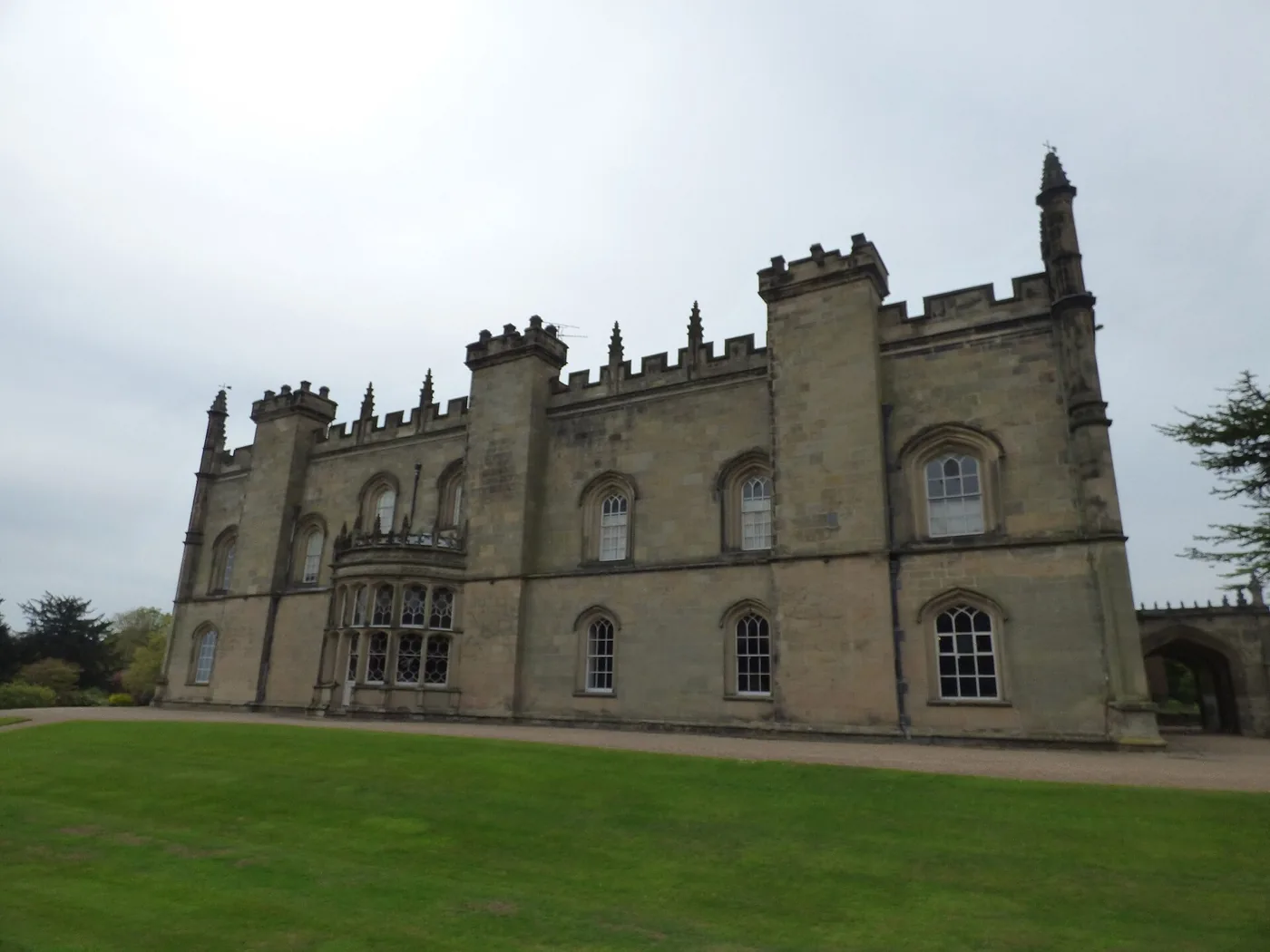
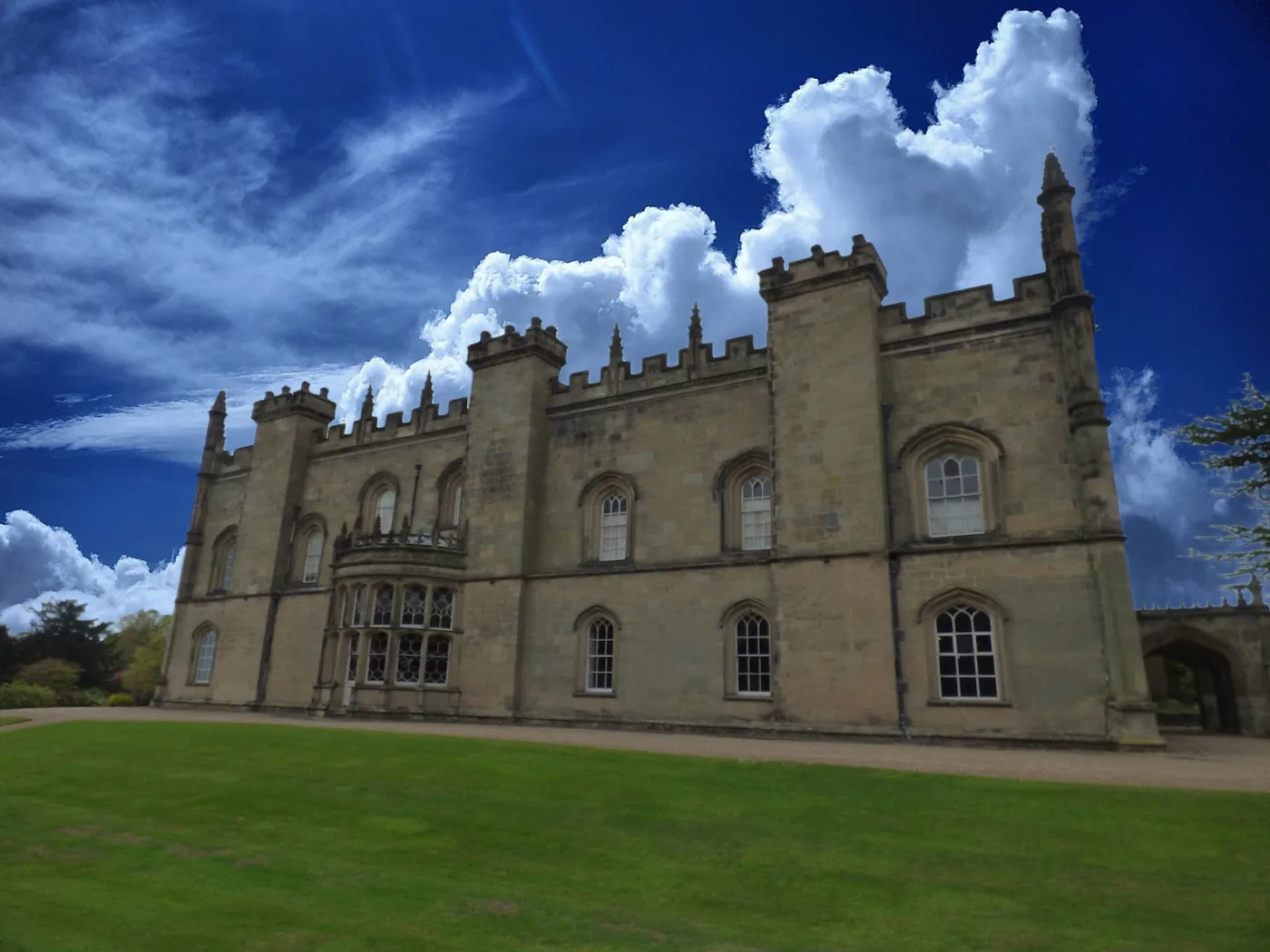 OriginalNew sky
The sky mask covers 43% of the photo.
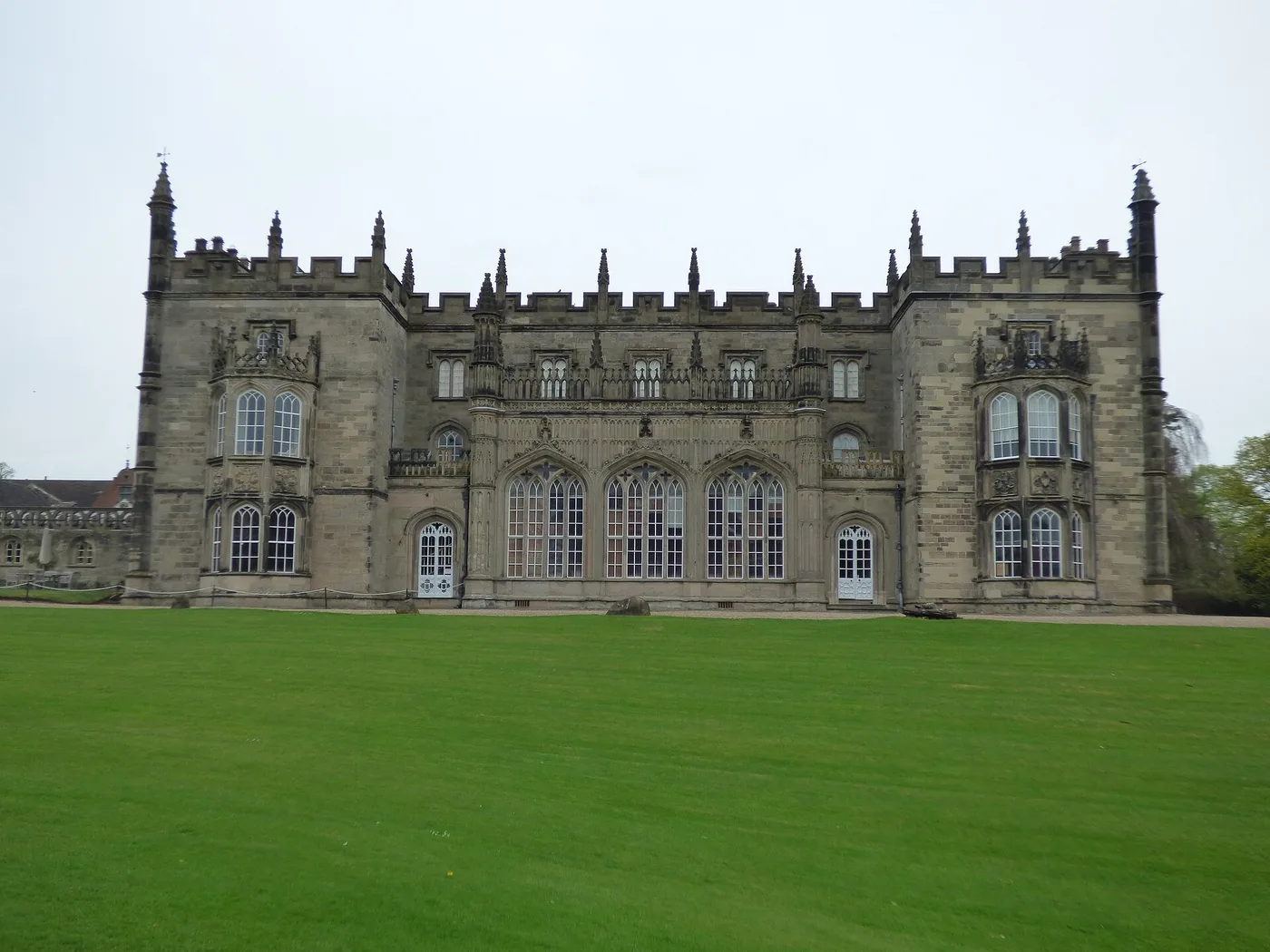
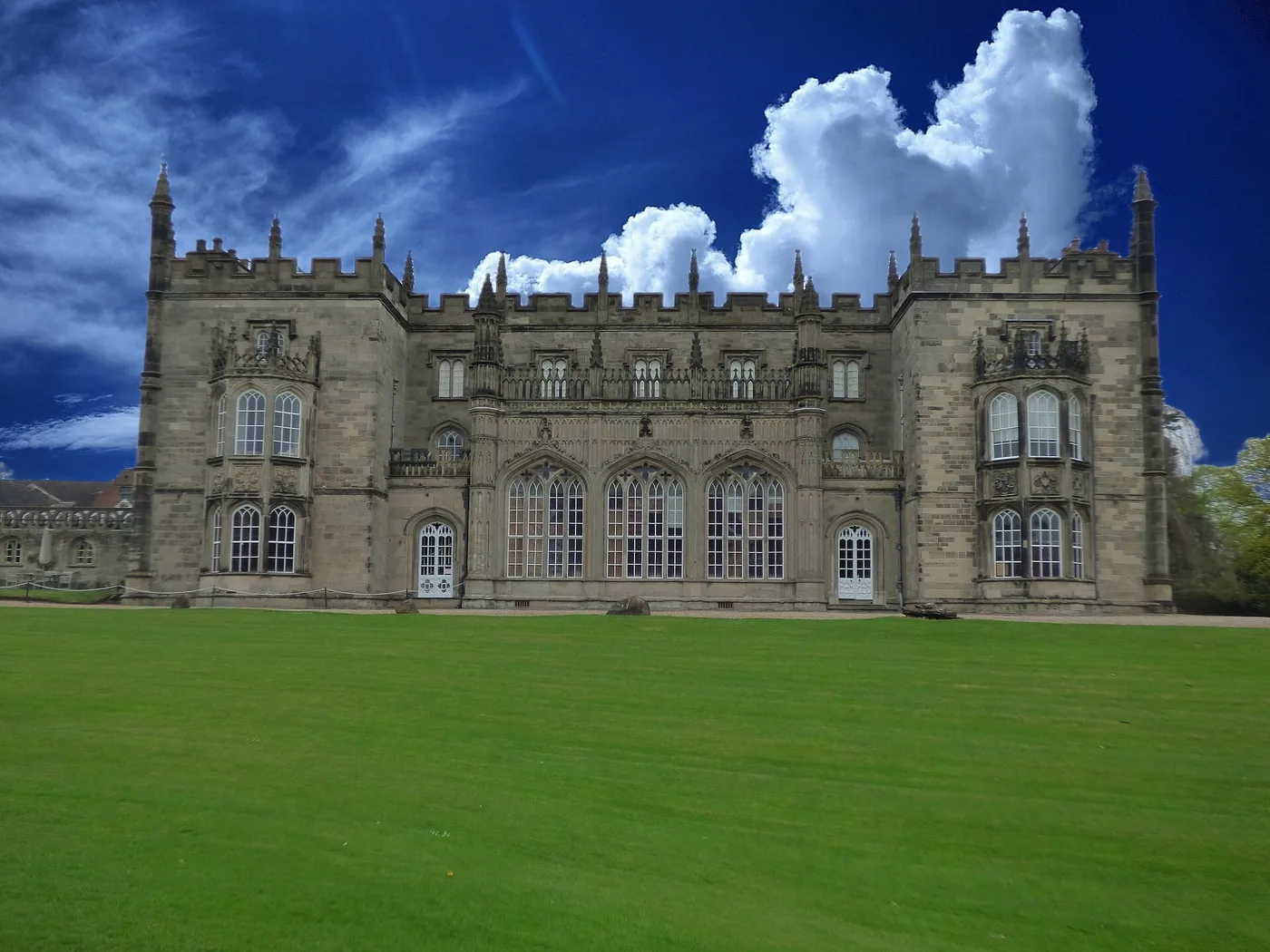 OriginalNew sky
The sky mask covers 32% of the photo.
Photos: Arbury Hall (34337212276) by Elliott Brown from Birmingham, United Kingdom, CC BY-SA 2.0; Arbury Hall (34378442995) by Elliott Brown from Birmingham, United Kingdom, CC BY-SA 2.0. What I changed.


- Model size
- 324.4 → 163.7 MB
- FP16 export, no visible loss
- Mask stages
- 3
- Coarse, guided filter, refinement
- Coarse mask input
- 320 px
- Refined at full size
- Accuracy benchmark
- none
- No labelled test set exists
How the mask is made
A segmentation model at 320 × 320 gives a coarse sky mask. A fast guided filter sharpens it, and a refinement stage recovers fine detail such as branches and roof edges. The masks are fused by confidence, using edge detection, exponential weighting and a bilateral filter.
The refinement is trusted only where the coarse mask agrees with it. That one rule is what stops windows and reflections from becoming sky.
- Coarse mask320 × 320 segmentation
- Guided filterFast, edge-aware
- RefinementFine detail, only where the coarse mask agrees
- Fused alphaConfidence-weighted
Placing the new sky
Vanishing-point detection and the lowest sky pixel set the horizon, so the new sky sits at the right height. The fused mask becomes the alpha channel. If no replacement sky is chosen, the stage denoises the existing sky instead.
Limits
There is no labelled test set for this model, so I have no accuracy figure to quote. Vanishing-point detection fails on flat walls with no strong lines, and the coarse mask is limited by its 320-pixel input.
Tools
PyTorch, ONNX Runtime (FP16), OpenCV.
Builds on the open-source Sky-Segmentation-and-Post-processing project by xiongzhu666.
The full write-up
There is a longer write-up of this project. It has client details in it, so email me if you’d like a redacted copy.